Jul 10, 2012
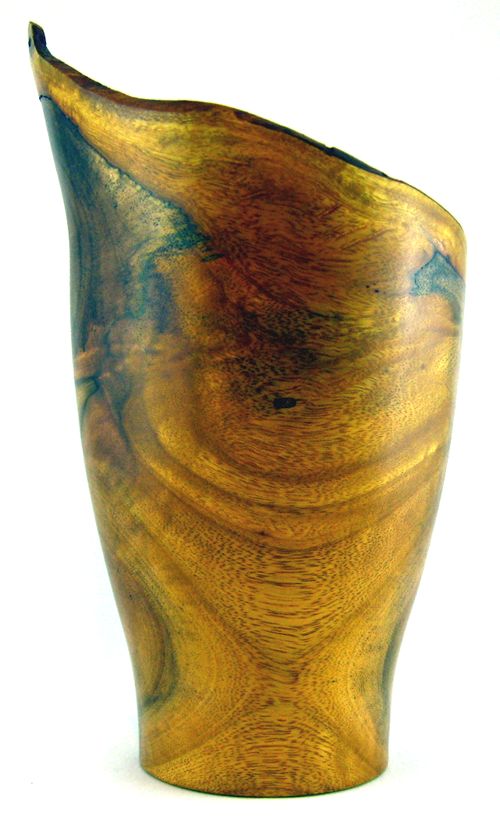
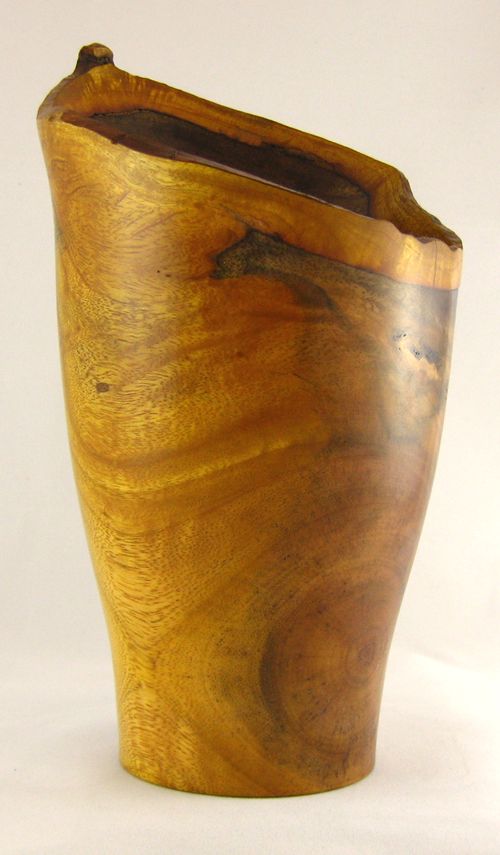
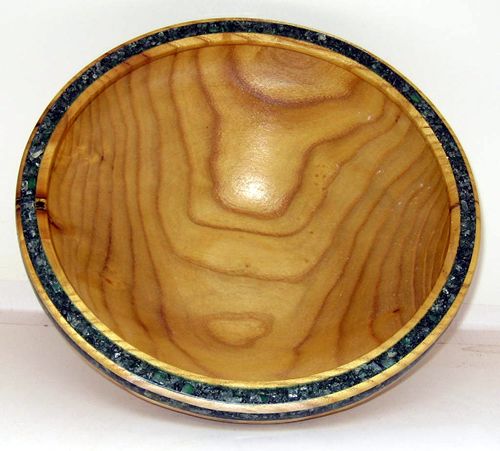
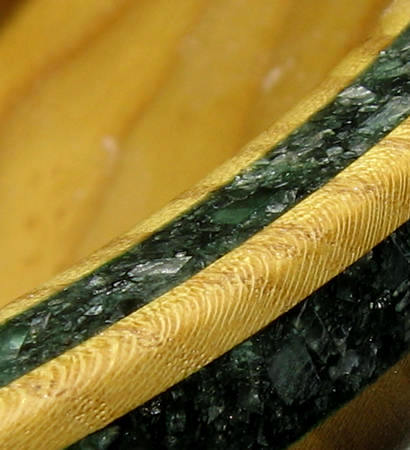
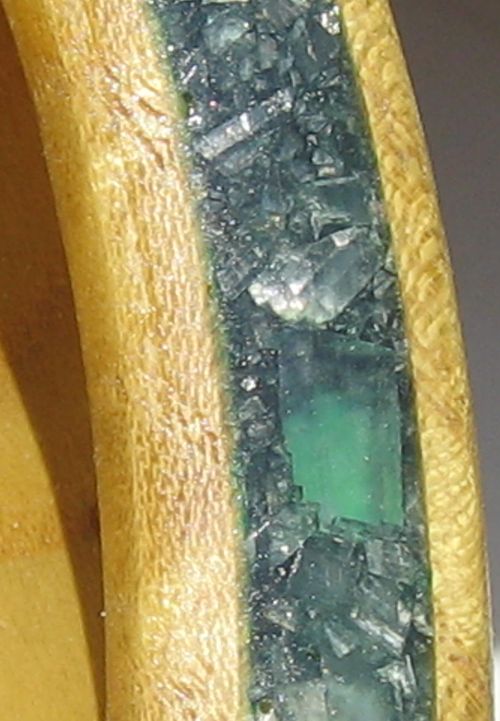
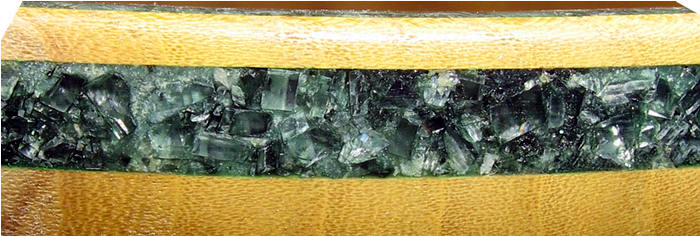
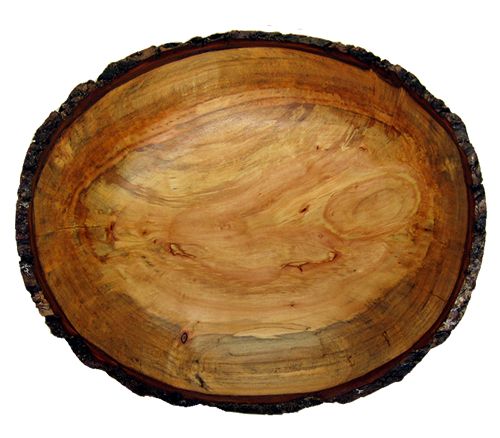
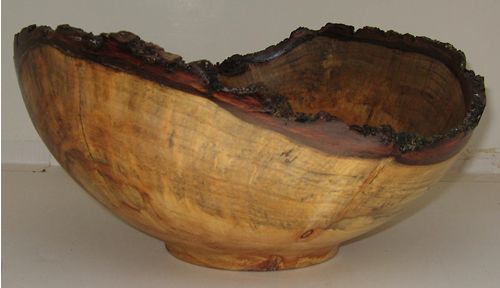
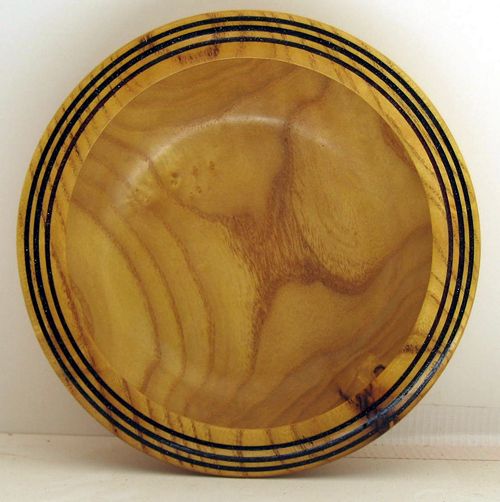
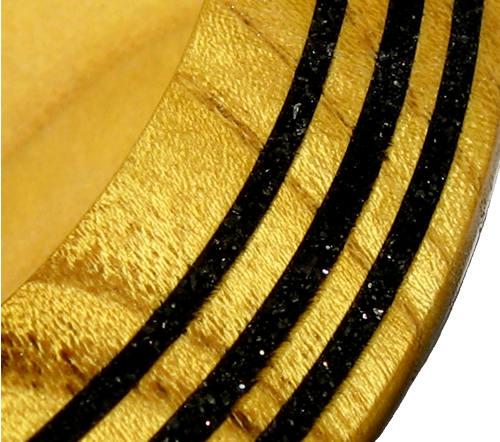
Piece #313 – Tropical Almond – 6″ dia by 10″ – NFS
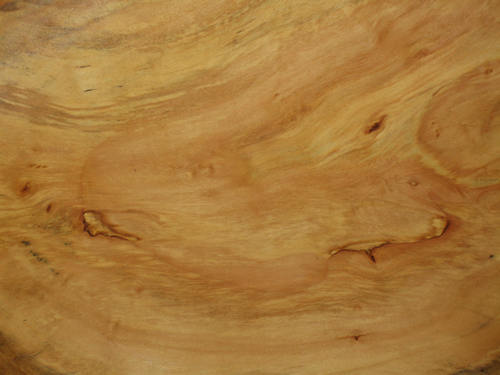
My son Mitch and I collaborated on this piece. The figure in this piece is beautiful. I wish I was a better photographer so you could appreciate the character in this vase. 

Jul 10, 2012
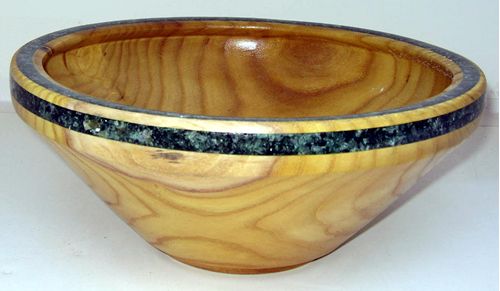
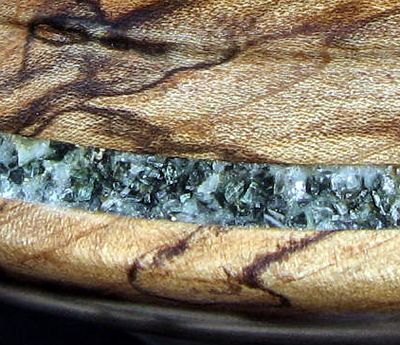
Piece #310 – Mulberry/Calcite – 10″ dia by 4″ – SOLD
This is another piece from Uniontown PA.


Jul 10, 2012
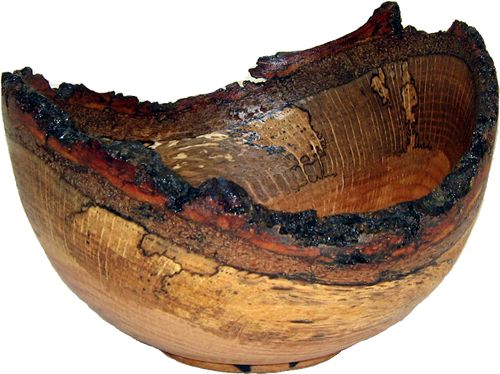
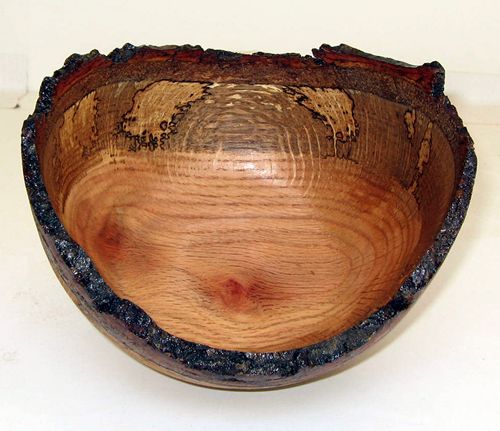
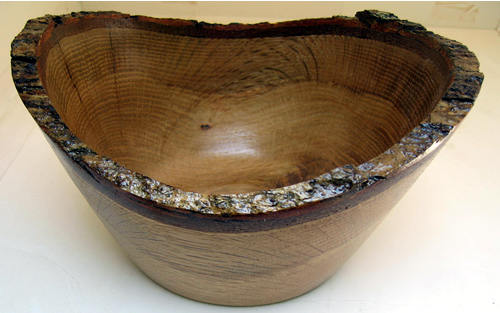
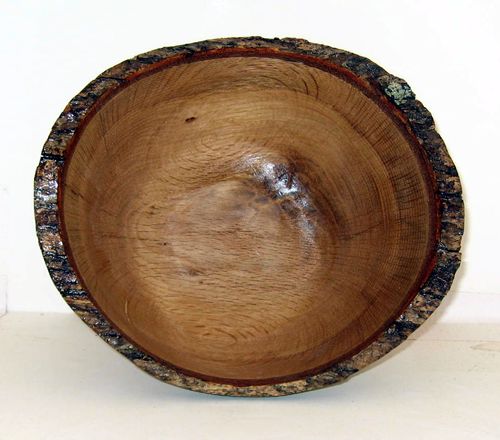
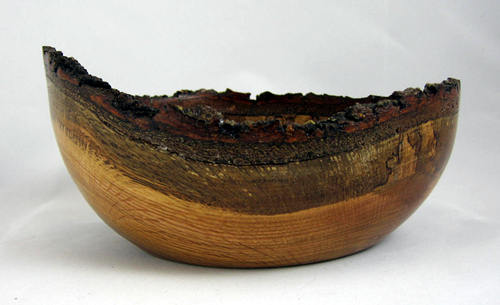
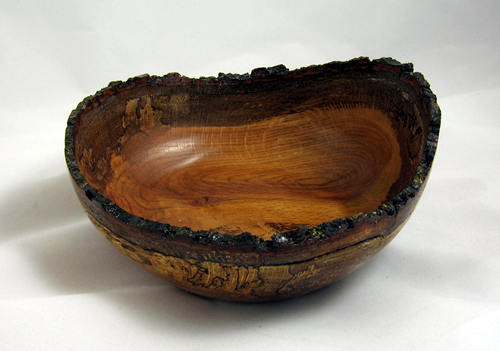
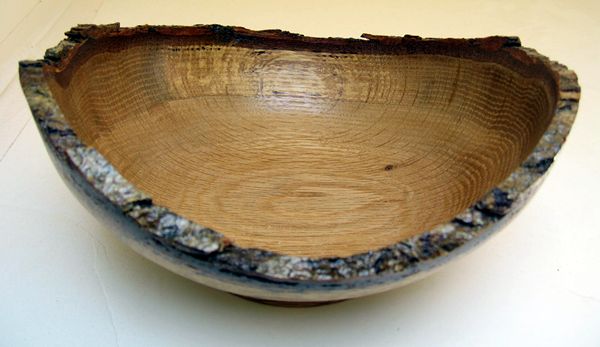
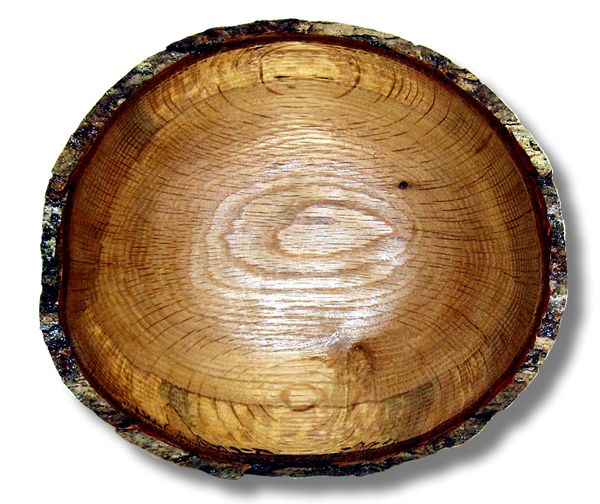
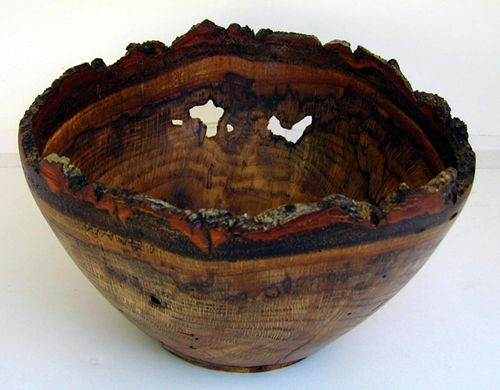
Piece #308 – Red Oak – 8″ dia by 4″ – Gifted
The Red Oak wood came from a tree in Knoxville, TN that blew over in the big storm of 4- 2011. The tree fell on a house demolishing it. The owner told me that the tree was home to many different bird species. She is getting this bowl.


Jul 9, 2012
Piece #306 – Mulberry/Obsidian – 7.5″ dia by 2.5″ – SOLD
The Mulberry for this piece came from my best friends back yard in Uniontown, Pa. 

Apr 16, 2012
Piece #304 – Spalted Sycamore / Orange Calcite – 9.5″ x 2″ – SOLD
This spalted sycamore has unbelievable spalting patterns. The array of spalting is nothing short of spectacular.
Do you see any suggestive spalting images in this piece? Isn’t Mother Nature fun? :)


Apr 16, 2012
Piece #302 – Spalted Maple / Opaque Calcite – 14.5″ x 1″ – SOLD
This is a specimen example of spalted Maple. The spalting lines suggested clouds to my imagination. What better place for a soaring butterfly? The butterfly is inlaid with opaque calcite dyed blue and black. I love to use opaque calcite dyed with the colors of an unlimited palette. 
The dying process is simple. After I have crushed the calcite I put it in an old metal coffee pot. I drip in a drop or two of the colored dye of my choice. Next I drip in denatured alcohol to dilute the dye to the shade I desire. Swoosh it around to make sure the dye covers every facet of the calcite crystals. I add more dye or alcohol if needed to achieve my desired shade of the color. When I am satisfied with the color I throw in a lit match to burn off the alcohol. As the alcohol burns I swoosh the calcite around some more to make sure all of the alcohol is burned off. When the flames go out I dump out the dyed calcite and spread it out to cool. After it has cooled I sift the calcite using varying sizes of kitchen cooking sieves. This gives me five sizes of calcite crystals to work with. Click here for more on inlay process.
The great thing about dying opaque calcite is two fold. One – your color palette is unlimited; two – during the sanding and polishing step the dye is removed from the surface facet of the crystal and you are seeing the color through the calcite to the bottom dyed facet. This gives the inlay depth and dimension. 

Apr 16, 2012
Piece #301 – Spalted Sycamore / Green Calcite / Obsidian – 14″ x 3″ – SOLD
This piece is beautifully spalted Sycamore, which blew down near the Tennessee River last Summer. I used Obsidian to make a raised beaded rim near the center. Opaque Calcite dyed green was used to make the gecko inlay. The Japanese flower frog in the middle allows the bowl to display fresh cut flowers.


Apr 15, 2012
Piece #295 – Spalted Oak – 5″ x 13″ – SOLD
Well, one of my favorite pieces is gone. Sold it to a couple in our Tallahassee Art Show. They bought two pieces.
I just love this piece. When I saw the natural bark inclusion I knew just what I wanted to feature and how. It was challenging and it turned out great. I used my spalting process to produce the great character in this sculpture.


Apr 15, 2012
Piece #294 – Sycamore / Copper Leaf / Calcite – 9″ x 4″ – SOLD
This Piece has three different elements incorporated – wood, metal, mineral. I used my copper patina process as well as my mineral inlay methods to produce this unique specimen.